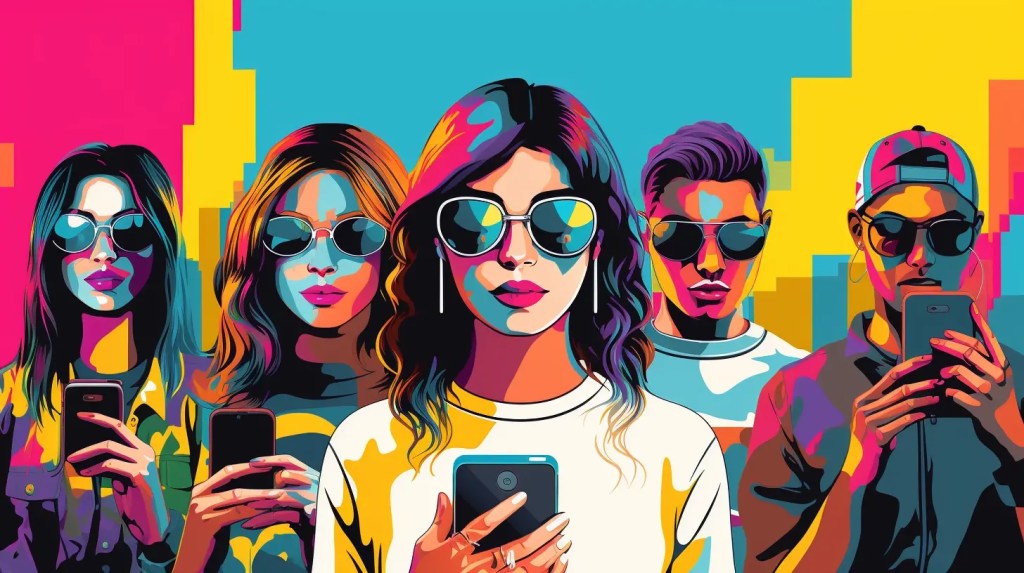
Gen Z (born 1997–2012) is one of the biggest and most tech-savvy groups, although they are frequently downplayed in media industry and advertising. The industry’s dependence on antiquated marketing strategies that cater to older audiences is one factor contributing to this disparity. Post-Millennial generation, who favor digital platforms like YouTube, Instagram, and TikTok, is uninterested in traditional advertising methods like TV and print, which still hold the attention of older generations. The industry’s capacity to successfully target this generation viewers are hampered by their sluggish adoption of these more recent platforms. Additionally, a lot of advertisers undervalue the enormous cultural power Gen Z has online, where they frequently create viral material and trends that have an impact on pop culture. Zoomers is one of today’s most significant demographics, and if you don’t interact with them on these digital platforms, you’ll miss out.

The gap is further widened by the distinct ideals and expectations of Generation Z. Gen Z places a higher value on social responsibility, inclusivity, and authenticity than previous generations, who are frequently influenced by aspirational messaging and celebrity endorsements. Since they are more inclined to support businesses that sincerely promote social and environmental problems, they look for brands that share similar beliefs. Zoomers are quick to reject brands that don’t handle these issues or seem inauthentic. Brands must adjust to this generational change toward rooted in values shopping, and those that don’t frequently fall short of making a deep connection with post-millennial generation. Because of this, businesses may refrain from adopting strong ethical positions out of concern for the reaction of other demographic groups, unintentionally alienating this generation. As a result, some brands would rather minimize Gen Z than adjust to the intricacies of their values-based strategy.

Furthermore, the advertising industry’s propensity to oversimplify youth culture ignores the generation’s complex identities. Due to the enormous degree of ethnic, gender, and lifestyle diversity that this generation has experienced, their preferences are more nuanced and varied than those of earlier generations. Zoomers appreciates inclusive and diverse representation that represents their different identities and experiences rather than generic depictions of youth. Simple depictions that emphasize trends or preconceptions frequently fall short because they fail to convey the genuine diversity of this age. The business runs the danger of losing out on a significant audience segment if Gen Z’s individuality and digital fluency are not accurately portrayed. Brands have a great chance to win over Gen Z’s allegiance by embracing their unique identity, which calls for a deeper comprehension of their beliefs, digital habits, and demand for inclusivity.
 Mint.
Mint. 
Leave a comment